Antioxidants play a critical role in the tire and rubber manufacturing industry by protecting rubber compounds from degradation caused by oxygen, heat, ozone, sunlight, and environmental exposure. Without proper antioxidant protection, rubber products can lose their physical properties, develop cracks, become brittle, and experience premature failure during service.
Modern rubber products are expected to operate under increasingly demanding conditions. Tires must withstand high temperatures, continuous flexing, heavy loads, and varying weather conditions. Industrial rubber products such as conveyor belts, hoses, seals, gaskets, vibration mounts, and molded components are frequently exposed to heat, chemicals, oxidation, and mechanical stress. To ensure long-term durability and performance, manufacturers incorporate carefully selected antioxidant systems into their rubber formulations.
The primary purpose of antioxidants is to slow down the oxidation process that naturally occurs when rubber is exposed to air and heat. Oxidation attacks the polymer structure, causing deterioration of important physical properties such as tensile strength, elongation, elasticity, and abrasion resistance. By using appropriate antioxidants, manufacturers can significantly extend product life, improve reliability, reduce warranty claims, and maintain consistent product quality.
Today, the global rubber industry utilizes various categories of antioxidants depending on application requirements, rubber type, processing conditions, and expected service environment. Some antioxidants provide excellent heat-aging resistance, while others focus on ozone protection, flex-crack resistance, color stability, or long-term durability.
Why Antioxidants Are Essential in Rubber Manufacturing
Rubber compounds continuously face environmental and operational challenges throughout their service life. Exposure to oxygen, elevated temperatures, UV radiation, ozone, and mechanical stress accelerates aging and degradation.
Common problems caused by inadequate antioxidant protection include:
| Rubber Problem | Impact on Product |
|---|---|
| Oxidation | Reduced strength and elasticity |
| Heat Aging | Hardening and cracking |
| Ozone Attack | Surface crack formation |
| UV Exposure | Premature degradation |
| Flex Cracking | Reduced service life |
| Polymer Breakdown | Product failure |
Proper antioxidant selection helps manufacturers overcome these challenges while improving overall product performance.
Major Types of Antioxidants Used in Rubber Manufacturing
1. Antioxidant 6PPD
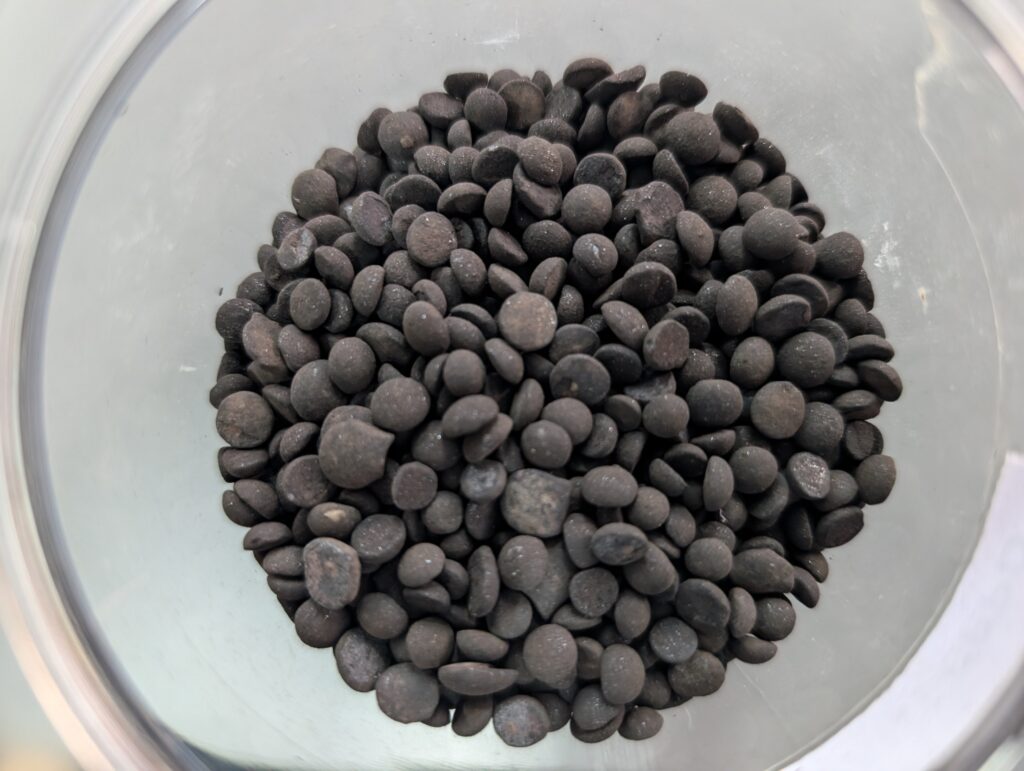
6PPD is one of the most widely used antidegradants in tire manufacturing and dynamic rubber applications. It provides excellent protection against ozone cracking, oxidation, and flex fatigue.
Key Benefits
- Superior ozone resistance
- Excellent heat-aging protection
- Improved dynamic performance
- Extended tire life
- Enhanced crack resistance
Common Applications
- Tires
- Automotive rubber components
- Conveyor belts
- Industrial rubber products
2. Antioxidant TMQ (TDQ)
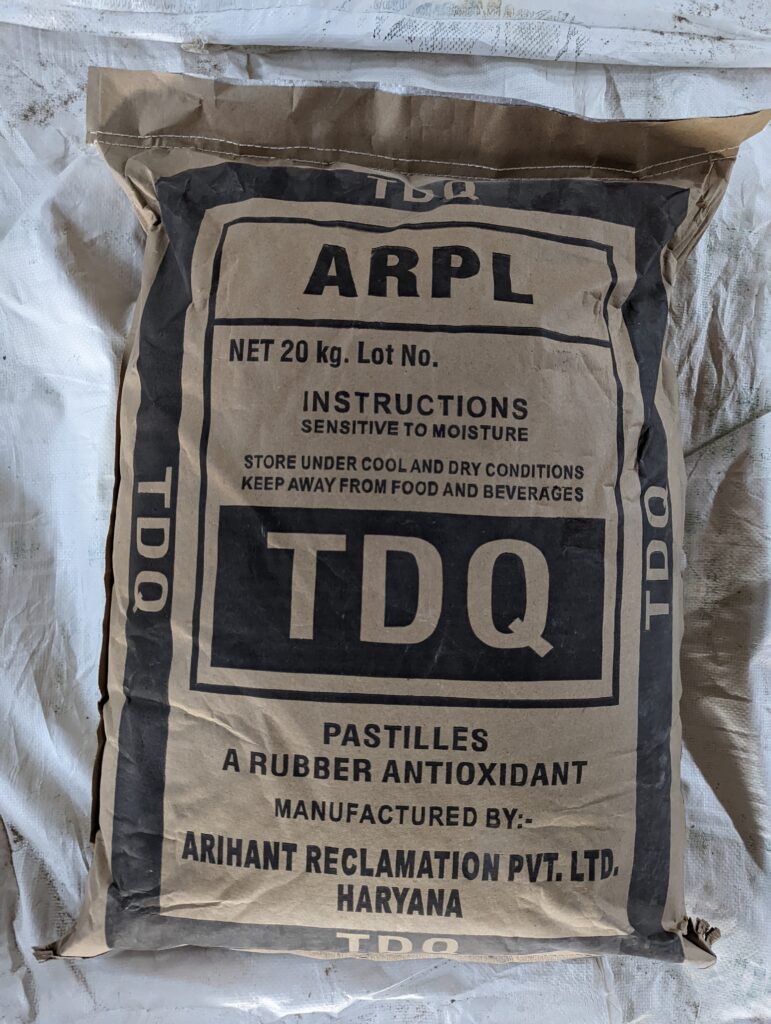
TMQ is a highly effective polymerized antioxidant widely used in both natural and synthetic rubber compounds.
Key Benefits
- Outstanding heat-aging resistance
- Long-term oxidation protection
- Improved durability
- Cost-effective performance
Common Applications
- Tires
- Rubber sheets
- Hoses
- Industrial molded products
3. Antioxidant IPPD
IPPD provides excellent protection against ozone attack and oxidative degradation in rubber products exposed to dynamic conditions.
| Property | IPPD Performance |
|---|---|
| Ozone Protection | Excellent |
| Heat Resistance | Good |
| Flex Crack Resistance | Excellent |
| Tire Applications | Extensive |
4. Antioxidant SP Oil
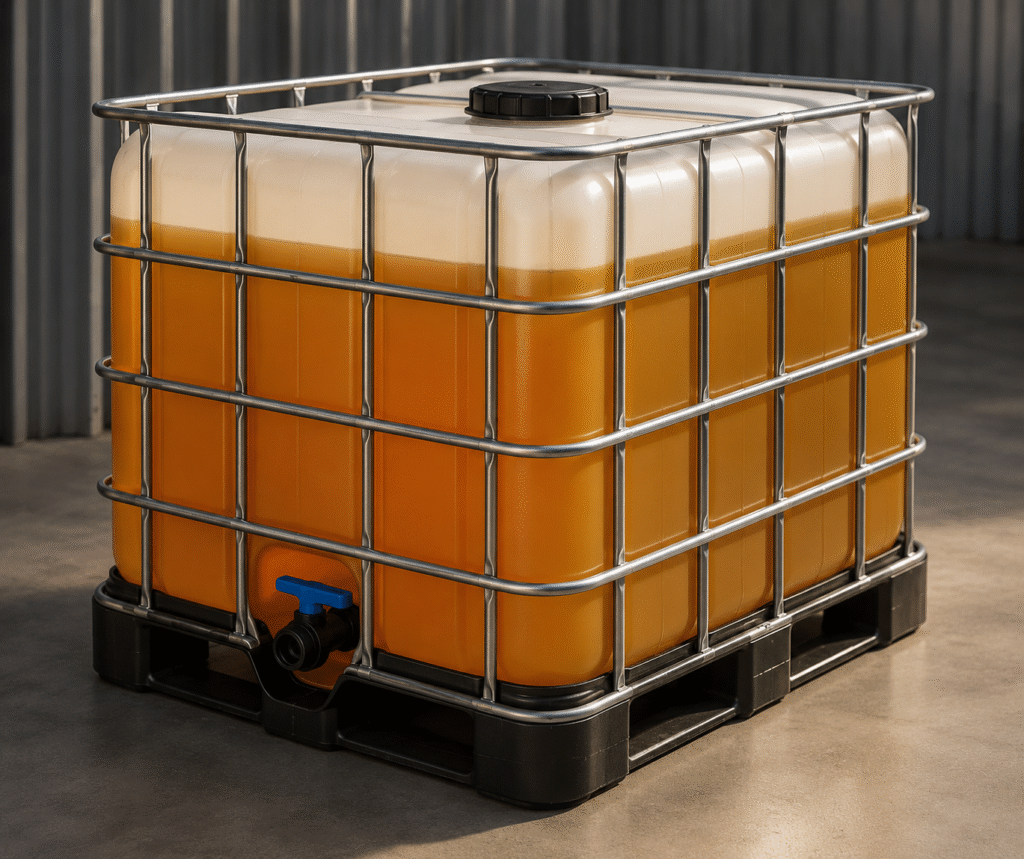
Antioxidant SP Oil is commonly used to improve aging resistance and extend the service life of various rubber compounds.
Benefits of SP Oil
- Cost-effective antioxidant protection
- Improved heat resistance
- Better durability
- Enhanced compound stability
- Suitable for reclaimed rubber applications
5. Antioxidant Wingstay L
Wingstay L is a premium antioxidant known for its high-temperature stability and long-term protection.
6. Antioxidant MBI
MBI is often selected for light-colored, transparent, and specialty rubber products where staining must be minimized.
7. Antioxidant 445
Antioxidant 445 provides excellent thermal stability and oxidation resistance for demanding industrial applications.
Comparison of Common Rubber Antioxidants
| Antioxidant | Heat Resistance | Ozone Resistance | Cost Efficiency | Tire Applications |
|---|---|---|---|---|
| 6PPD | Excellent | Excellent | High | Excellent |
| TMQ | Excellent | Moderate | Excellent | Excellent |
| IPPD | Good | Excellent | Good | Excellent |
| SP Oil | Good | Moderate | Excellent | Good |
| Wingstay L | Excellent | Good | Moderate | Good |
| MBI | Moderate | Moderate | Moderate | Limited |
| 445 | Excellent | Good | Moderate | Specialized |
Choosing the Right Antioxidant System
Selecting the correct antioxidant depends on several factors:
- Type of rubber polymer
- Service environment
- Operating temperature
- Exposure to ozone
- Product life requirements
- Cost considerations
- Regulatory requirements
Many manufacturers use multiple antioxidants together to achieve balanced protection against various degradation mechanisms.
Bulk Supply of Rubber Antioxidants
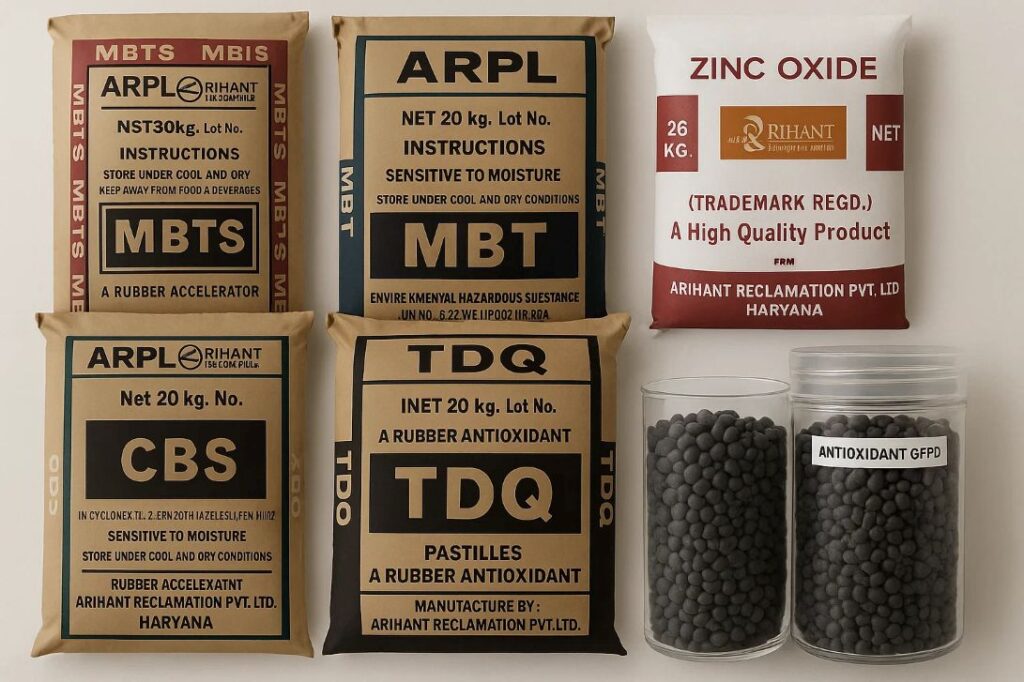
Arihant Reclamation Pvt. Ltd. supplies a comprehensive range of antioxidants for tire and rubber manufacturing industries including:
- Antioxidant 6PPD
- Antioxidant TMQ (TDQ)
- Antioxidant SP Oil
- Antioxidant Wingstay L
- Antioxidant MBI
- Antioxidant IPPD
- Antioxidant 445
We serve tire manufacturers, rubber compounders, industrial rubber producers, OEM suppliers, exporters, and distributors across India and global markets.
For bulk inquiries, technical specifications, export requirements, and industrial supply solutions, contact our team today.